Vishay WFM Family of Power Metal Plate™ Current-Sense Resistors​
Vishay

Vishay WFM Family of Power Metal Plate™ Current-Sense Resistors

Portfolio offers high power ratings and wide resistance range

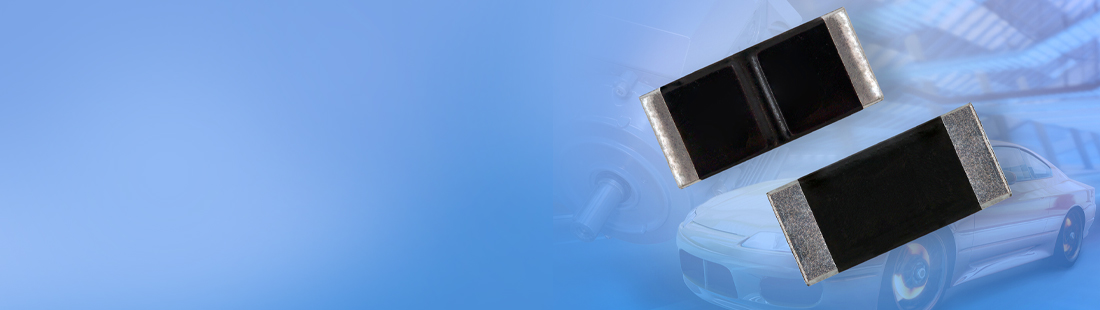
The Vishay WFM family of Power Metal Plate™ current-sense resistors offers high power density and high resistance values up to 0.5Ω, enabling a single WFM resistor to replace multiple competing devices in series. This means that the use of a WFM resistor can save board space while also reducing measurement errors.


The WFM family resistors, which are available in 2010 and 2512 size package options, are ideal for all types of current sensing and pulse applications. These include switching and linear power supplies, instruments, power amplifiers, shunts, power inverters, and battery management systems.


The all-metal construction of the WFM resistors provides a lower mismatch between the coefficient of thermal expansion of the PCB and the current sense resistor than ceramic chip resistors. This lowers solder-joint stress and improves reliability.


A Power Metal Plate current-sense element provides superior pulse performance and pulse tolerance than other types of resistors offer. The low resistance values available in the WFM family enable designers to minimize power losses, and to eliminate parallel resistance elements.


A solid metal manganese-copper and nickel chromium-aluminum alloy resistive element features a low temperature coefficient of resistance of less than 20ppm/°C, producing very stable resistance values over the operating-temperature range of -65°C to 170°C.

Features

  • ±1% resistance tolerance
  • Inductance range: 0.5nH to 5nH
  • Less than 3μV/°C thermal EMF
  • AEC-Q200 qualified

Applications

  • Automotive systems
  • Industrial equipment
  • Telecoms equipment
  • Home appliances
  • HVAC systems

Share This

Subscribe to our newsletters

Subscribe to Future Electronics

Get access to the latest product information, technical analysis, design notes and more

Choose your region

Related Articles