
 Orders shipping outside of United States will be on hold while the company evaluates tariff impacts.Please contact your salesperson for assistance.
 Free shipping within the continental US over $50. Conditions apply

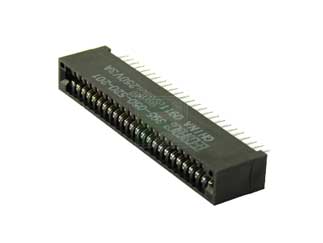
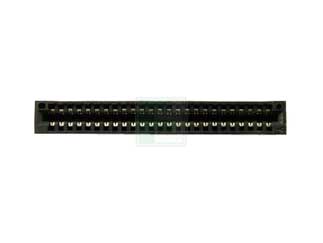
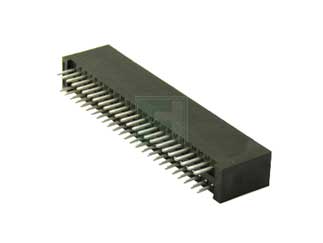

Manufacturer Part #
395-050-520-201
395 Series 10 postion 2.54 mm Spacing with Dual Row Board to Board Receptacle
| | |||||||||||
| | |||||||||||
| Mfr. Name: | EDAC | ||||||||||
| Standard Pkg: | Product Variant Information section Available PackagingPackage Qty:25 per Bulk Mounting Method:Through Hole | ||||||||||
| Date Code: | |||||||||||
Product Specification Section
EDAC 395-050-520-201 - Product Specification
Shipping Information:
Item cannot ship to certain countries. See List
Item cannot ship to following countries:
ECCN:
EAR99
PCN Information:
N/A
File
Date
Part Status:
Active
Active
- https://futureelec.wufoo.com/forms/?formname=r8bzou01ws8brs&field12=NA&field16=en&field2=395-050-520-201&field4=EDAC&field18=https://p1na.futureelectronics.com/de/p/interconnect--backplane-connectors--backpanel-connectors/395-050-520-201-edac-4197299

- https://futureelec.wufoo.com/forms/?formname=r8bzou01ws8brs&field12=NA&field16=en&field2=395-050-520-201&field4=EDAC&field18=https://p1na.futureelectronics.com/de/p/interconnect--backplane-connectors--backpanel-connectors/395-050-520-201-edac-4197299

EDAC 395-050-520-201 - Technical Attributes
Attributes Table
| Type: | Board to Board (Card Edge) |
| Style/Orientation: | Receptacle |
| No of Positions: | 50 |
| Pitch: | 0.1 in |
| Termination: | Solder Pins/Tails |
| Mounting Method: | Through Hole |
Features & Applications
The 395-050-520-201 is a part of 395 Series 50 position 2.54 x 5.08 mm Spacing with Dual Row Board to Board Receptacle Card Edge Connector
Features:
- CSA Approved and UL Recognized
- .100 (2.54) contact spacing x .200(5.08) Row spacing
- High profile insulator Body .460(11.68)
- Contact Termination options include P.C.Tail & Wire wrape
- Large Variety of Mounting Options
- Pre-assembled card Guides Available
- Accepts between contacts and in-contact Polarizing Keys
- Automatic Wire Wrap Postioning Holes
Specifications:
- Insulator Material:Thermoplastic Polyester,UL94V-0
- Contact material: Copper, Nickel,Tin Alloy CA-725
- contact Plating: Gold on the Mating Area
- Current rating: 5 AMpS
- Contact Resistance: 10 MΩ MAX
- Dielectric Withstanding Voltage:1200 V AC RMS at sea Level
- Insulation Resistance:5000 MΩ MIN
- Operating Temperature: -65 to 105 °C
- Insertion Force: 16 oz 4.45 N
- Withdrawal force: 1 oz 0.28 N
Pricing Section
Global Stock:
0
USA:
0
On Order:
0
Factory Lead Time:
9 Weeks
Quantity
Unit Price
25
$6.69
50
$6.65
100
$6.61
125
$6.60
375+
$6.53
Product Variant Information section
Available Packaging
Package Qty:
25 per Bulk
Mounting Method:
Through Hole