
 Les commandes expédiées à l’extérieur des États-Unis seront en attente pendant que l’entreprise évalue les impacts tarifaires.Veuillez contacter votre vendeur pour obtenir de l’aide.
 Livraison gratuite aux États-Unis continentaux à partir de 50 $ US. Des conditions s'appliquent


Référence fabricant
IPP030N06NF2SAKMA1
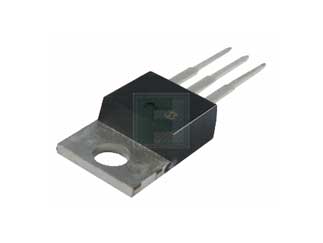
StrongIRFET Series 60 V 26 A 3.05 mOhm Single N-Channel MOSFET - TO-220-3
| | |||||||||||
| | |||||||||||
| Nom du fabricant: | Infineon | ||||||||||
| Emballage standard: | Product Variant Information section Emballages disponiblesQté d'emballage(s) :50 par Tube Style d'emballage :TO-220-3 (TO-220AB) Méthode de montage :Through Hole | ||||||||||
| Code de date: | |||||||||||
Infineon IPP030N06NF2SAKMA1 - Spécifications du produit
Informations de livraison:
ECCN:
Informations PCN:
Detailed change information:Subject Phase out of Kyocera KEG300 mold compound for several assembly locations and change of lead finish from tin dip to electroplating at Tijuana, Mexico for dedicated TO220-3 & TO247-3 products.Reason:To ensure continuity of mold compound supply due to Kyocera KEG300 end of life and to further ensure our product performance with lead-free electroplating finish
Statut du produit:
- https://futureelec.wufoo.com/forms/?formname=r8bzou01ws8brs&field12=NA&field16=fr&field2=IPP030N06NF2SAKMA1&field4=Infineon&field18=https://p1na.futureelectronics.com/fr/p/semiconductors--discretes--transistors--mosfets/ipp030n06nf2sakma1-infineon-8168608

- https://futureelec.wufoo.com/forms/?formname=r8bzou01ws8brs&field12=NA&field16=fr&field2=IPP030N06NF2SAKMA1&field4=Infineon&field18=https://p1na.futureelectronics.com/fr/p/semiconductors--discretes--transistors--mosfets/ipp030n06nf2sakma1-infineon-8168608

Infineon IPP030N06NF2SAKMA1 - Caractéristiques techniques
| Product Status: | Active |
| Fet Type: | N-Ch |
| No of Channels: | 1 |
| Drain-to-Source Voltage [Vdss]: | 60V |
| Drain-Source On Resistance-Max: | 3.05mΩ |
| Rated Power Dissipation: | 3.8W |
| Qg Gate Charge: | 102nC |
| Gate-Source Voltage-Max [Vgss]: | 20V |
| Drain Current: | 26A |
| Turn-on Delay Time: | 17ns |
| Turn-off Delay Time: | 33ns |
| Rise Time: | 31ns |
| Fall Time: | 14ns |
| Operating Temp Range: | -55°C to +175°C |
| Gate Source Threshold: | 3.3V |
| Input Capacitance: | 4600pF |
| Series: | StrongIRFET |
| Style d'emballage : | TO-220-3 (TO-220AB) |
| Méthode de montage : | Through Hole |
Emballages disponibles
Qté d'emballage(s) :
50 par Tube
Style d'emballage :
TO-220-3 (TO-220AB)
Méthode de montage :
Through Hole